Dreaming about lake life in Piney Flats? A home near the water can offer beautiful views, easy access to recreation, and a slower daily rhythm, but it also comes with details you do not want to overlook. If you are considering a home near Boone Reservoir, understanding shoreline rules, seasonal water levels, and property access can help you buy with more confidence. Let’s dive in.
Why Piney Flats Waterfront Appeals
Piney Flats buyers are often drawn to Boone Reservoir because it blends everyday living with outdoor recreation. According to TVA, Boone Reservoir has 4,130 acres of surface water and 127 miles of shoreline along the South Fork Holston River in northeast Tennessee. That gives you a broad range of settings to consider, from tucked-away coves to more open water views.
The lifestyle can be a big part of the appeal. TVA notes that boating, water skiing, and fishing are popular here, and the reservoir also includes public recreation features such as a swimming area above the dam and a boat ramp with a courtesy pier. For many buyers, that means the water is not just scenery. It becomes part of how you spend your weekends and evenings.
Understand Boone Reservoir’s Seasonal Changes
One of the most important things to know is that Boone Reservoir does not look exactly the same year-round. TVA says water levels normally vary by about 25 feet from summer to winter, and lake levels are updated throughout the day. A lot that feels close to the water in one season may look very different in another.
This matters for more than just appearance. Seasonal changes can affect how a dock functions, how easy it is to access the shoreline, and how much exposed bank you see from the house. If you are buying for the view or for direct water use, it is smart to visit with that seasonal rhythm in mind.
Look Beyond the House Itself
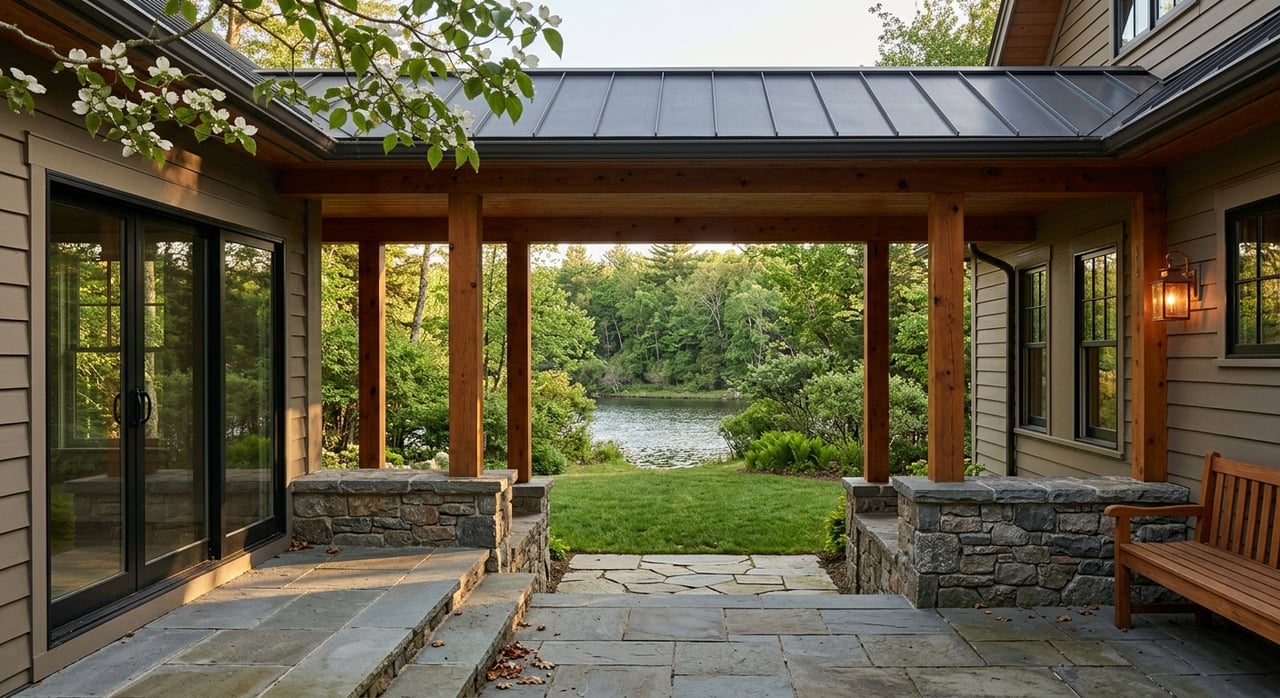
When you shop for a home near the water, the land between the home and the lake often matters just as much as the house. Around Boone, you may see features like docks, ramps, decks, covered porches, sloped banks, riprap, and site plans designed to capture the view. Those features can add a lot of value to your experience, but they also need to be understood clearly.
TVA notes that most reservoir shoreline includes TVA land or TVA land rights. In practical terms, that means the area near the water may involve rules or approvals that are separate from your home purchase itself. Even if ground appears dry at the time you tour a property, shoreline use and changes may still be regulated.
Know Where the Shoreline Begins
A waterfront listing can sound straightforward, but shoreline boundaries are not always obvious at first glance. TVA states that the ordinary high-water mark for Boone Lake is elevation 1,382 feet. It also notes that clues such as riprap, sloping banks, and water stains can help identify where the lake-managed area begins.
That distinction matters because the legal and practical use of the shoreline may not line up neatly with what you assume from the listing photos. A great water view is valuable, but so is knowing exactly what land is being conveyed, what access you have, and what approvals may apply near the shore.
Ask About Docks and Shoreline Permits
If a property includes a dock, ramp, seawall, utilities near the shoreline, or other waterfront improvements, permit questions should move to the top of your list. TVA advises buyers to request the Section 26a permit from the seller or realtor and verify that what is built on site matches the permit. This is one of the most important due diligence steps for a Boone-area water purchase.
TVA also says permits do not automatically transfer at closing. The new owner must apply within 60 days. That means a dock or shoreline structure is not something to take for granted just because it is already there.
Questions to ask about waterfront improvements
- Is there a Section 26a permit for the dock, ramp, seawall, or other shoreline work?
- Does the permit match what is physically on the property today?
- Is there TVA land or a TVA land right between the house and the water?
- Have any changes been made that may need additional approval?
- What must be transferred or reapplied for after closing?
Check Future Plans Before You Buy
A lot of buyers fall in love with a property based on what they hope to add later. Maybe you want a larger deck, a covered outdoor space, a pool, a garage, or a driveway improvement. In Sullivan County, those plans may require permits depending on the scope of work.
Sullivan County Planning and Codes says building permits are required for many types of residential work, including new homes, decks, roofs, pools, additions, garages, and many remodels. Other permits may also be needed for septic systems, sewer fees, stormwater management, floodplain work, and driveway connections. If your dream property needs updates, it is wise to understand that path early.
Confirm Property Lines and Recorded Rights
With any water-adjacent property, exact boundaries deserve extra attention. Survey information, lot dimensions, plats, easements, and restrictions can shape what you can do with the property and how you access the shoreline. This is especially important when the view corridor, access path, or shoreline area is a major part of why you are buying.
Sullivan County’s Register of Deeds is the official record keeper for real property documents. That makes it an important source for confirming recorded deeds, plats, easements, and restrictions. A buyer should not rely on assumptions when the land layout is part of the value.
Key documents to review
- Current survey
- Recorded deed
- Plats
- Easements
- Restrictions
- Any shoreline-related permits and approvals
Think Through Utilities and Site Conditions
Not every near-water property functions the same way behind the scenes. Before you move forward, it is important to confirm utility availability and understand the plan for water and wastewater service if public options are not available. That kind of information can affect both cost and long-term usability.
Site conditions matter too. Sloped banks, shoreline stabilization, and the layout of the lot can influence maintenance, access, and future improvements. A property that looks peaceful and simple from the road may involve more complexity once you look closer.
A Smart Buying Approach in Piney Flats
Buying near Boone Reservoir is often about balancing lifestyle and due diligence. You want to enjoy the views, recreation, and outdoor living potential, but you also want a clear picture of permits, boundaries, and future use. The best purchases are usually the ones where the scenery and the paperwork both make sense.
That is especially true for relocation buyers or second-home shoppers who may not know the area well yet. Local coordination can make a big difference when you are trying to confirm shoreline rights, county requirements, and what is truly included with the property. Clarity now can help you avoid surprises later.
If you are exploring homes near the water in Piney Flats, having a guide who explains each step clearly can make the process feel much more manageable. For thoughtful local support with waterfront, relocation, land, and residential purchases in the Tri-Cities area, connect with Ivey Scott.
FAQs
What should you know about Boone Reservoir water levels in Piney Flats?
- TVA says Boone Reservoir water levels normally vary about 25 feet from summer to winter, which can affect shoreline appearance, dock use, and how a lot feels seasonally.
What permits matter when buying a waterfront home near Boone Reservoir?
- TVA says buyers should request and review the Section 26a permit for docks, ramps, seawalls, utilities, and other shoreline improvements, and confirm that the structures on site match the permit.
What county approvals may affect a home near the water in Sullivan County?
- Sullivan County Planning and Codes says permits may be required for work such as decks, roofs, pools, additions, garages, septic systems, driveway connections, stormwater-related work, and some floodplain work.
What documents should you review before buying a Piney Flats waterfront property?
- You should review the survey, deed, plats, easements, restrictions, and any shoreline permits or approvals to confirm boundaries, access, and property rights.
What recreational features make Boone Reservoir attractive to buyers?
- TVA says Boone Reservoir offers boating, water skiing, fishing, a swimming area above the dam, and a boat ramp with a courtesy pier, which makes it appealing for buyers who want recreation close to home.